




「貨幣政策的十字路口」放到 2026 年,說法整個相反。市場現在爭論的不是聯準會會不會繼續降息,而是會不會重新升息。這個轉折,從 2 月底的美伊衝突開始轉折,也讓華許 5 月接任主席埋下伏筆!
目前美國 PCE 通膨率卡在 3.7%,遠高於 2% 目標。近期開出來的總經數據雖然優於預期,卻沒有讓聯準會完全排除升息的選項。因為長天期公債殖利率一度衝上高點,30 年期殖利率更寫下 19 年新高。而長天期利率的變動,反映的就是市場對聯準會抗通膨決心的疑慮。
在 9 月 FOMC 會議前,一年一度在 8 月底舉行的 Jackson Hole 全球央行年會被視為關鍵風向球。而在這個時刻,聯準會主席的一言一行更會被市場放大檢視。而本次新上任的聯準會主席華許,又發表了哪些讓市場關注的演說呢?就讓股感用本篇文章告訴你,為何在 2026 這個充滿挑戰的年度,Jackson Hole 的重要性更勝以往,以及它將如何牽動全球市場的下一步。
編按:2026/08/29 更新,FED 主席華許的演講已經結束。與市場原先預期的前瞻指引不同,他在演講中刻意不對利率路徑表態,反而強調通膨「還沒有明顯改善」,本次演講被市場解讀為偏鷹,9 月升息機率隨之從 35% 跳升到 57%。想看更多重點摘要及完整逐字稿請點 >>> 這裡!
什麼是 Jackson Hole?
Jackson Hole 是一年一度的全球央行年會,由美國堪薩斯聯邦準備銀行於每年 8 月下旬舉辦的年度盛會,也是歷史最悠久的央行會議之一,會議就在 Jackson Hole 這個地方舉行(這是其實是一個地名!), 會議將討論主要國家經濟體的貨幣政策,是受到各國央行關注的盛會,將邀集央行官員、經濟學家、金融市場參與者、政府官員與媒體人員共聚一堂,探討重要的長期政策,會後將發布會議記錄提供給全球人士參閱。
2026 年 Jackson Hole 會議主題
今年 Jackson Hole 在 8 月 27 日至 29 日舉行,主題為「金融創新:對支付與政策的影響」(Financial Innovation: Implications for Payments and Policy)。這是新任 Fed 主席 Warsh 上任以來首場 Jackson Hole 演說,他於 8 月 28 日美東時間上午 10:00(台北時間晚上 10:00)發表主旨演講。
Jackson Hole 對股市的影響
Jackson Hole 無疑是 8 月最重要的大事,因為本場會議內容探討的貨幣政策,涉及到全球總體經濟發展,將決定全球經濟的走向,故會議內容及那位一句話就能撼動股市的男人- Powell 表述的內容,將深深影響股市。
筆者回測歷史數據發現,Jackson Hole 會議前後 5 個交易日,美股大盤的震盪幅度會放大,那該如何應對 Jackson Hole 的到來呢?筆者實際回測 2020~2024 年的數據,分析並提出建議給讀者參考。
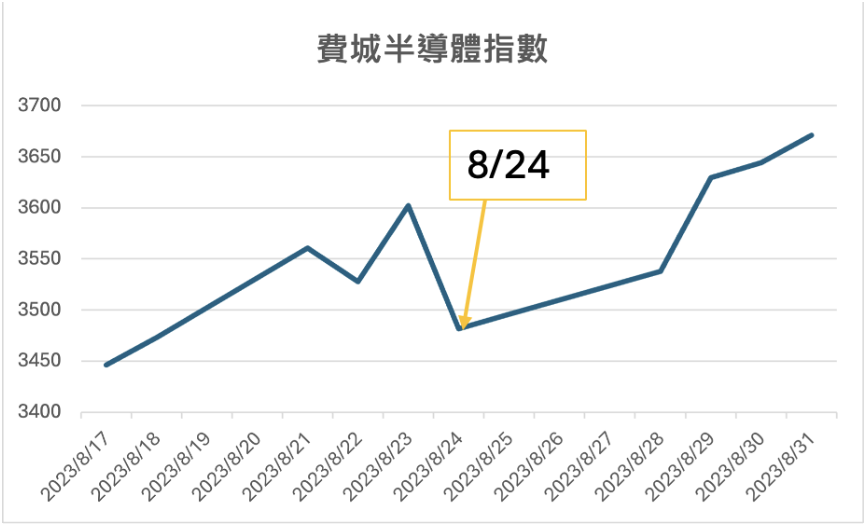
2023年,8/24~8/26
在會議前下跌修正,在會議的第一天來到相對低點,後續回歸正常交易格局,並再度上漲。
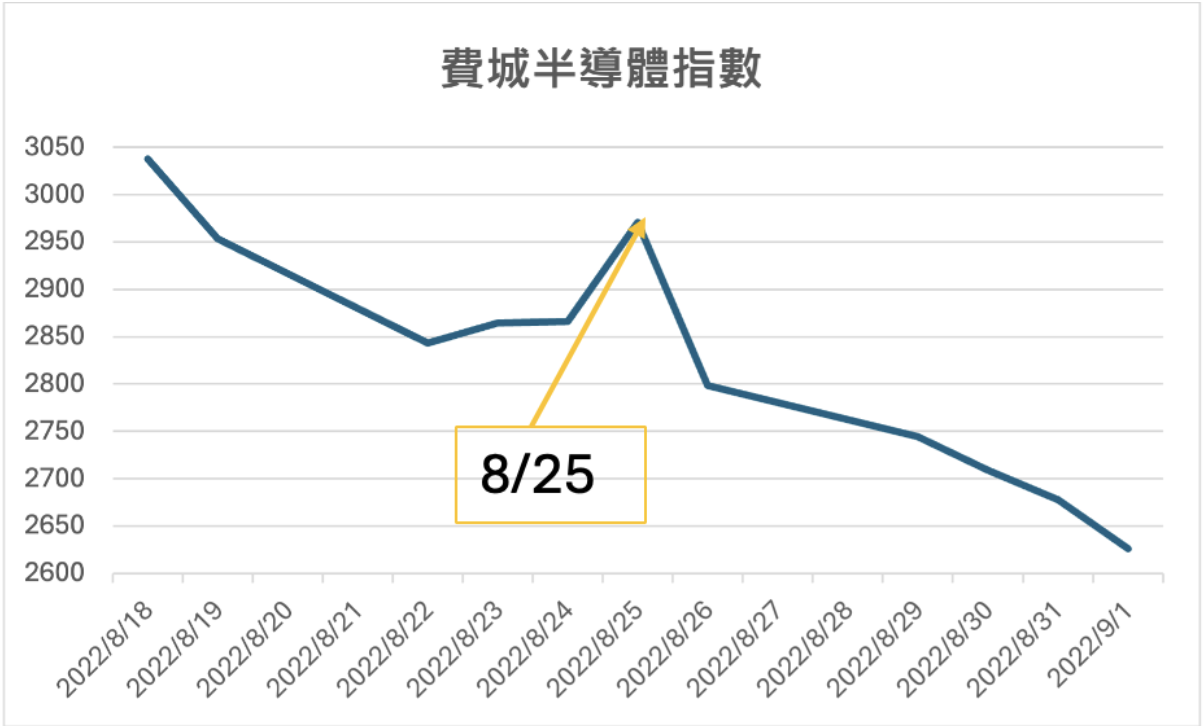
2022年,8/25~8/27
在會議前上漲,在會議的第一天來到相對高點,後續出現下跌趨勢。
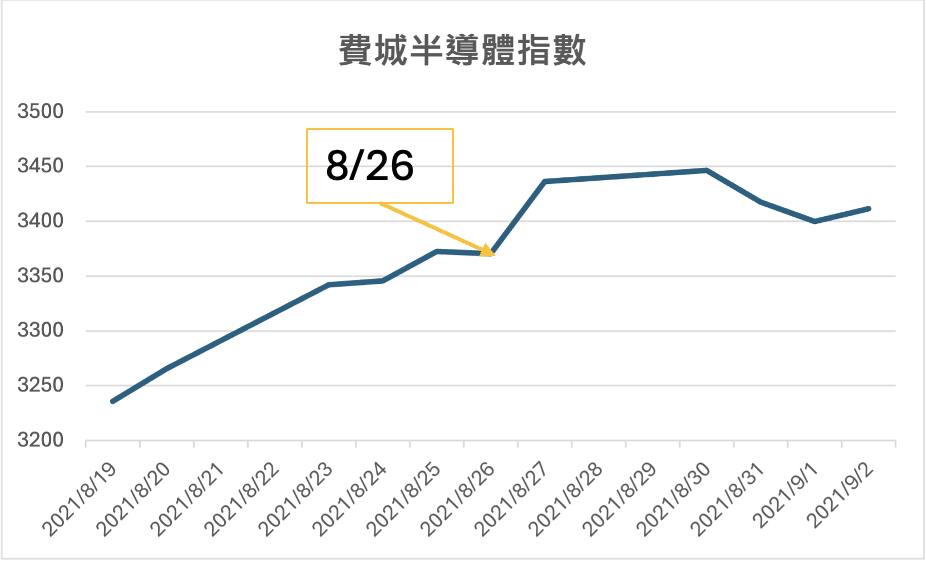
2021年,8/26~8/28
會議前上漲趨勢放緩,在會議的第一天後,再度上漲一個小波段。
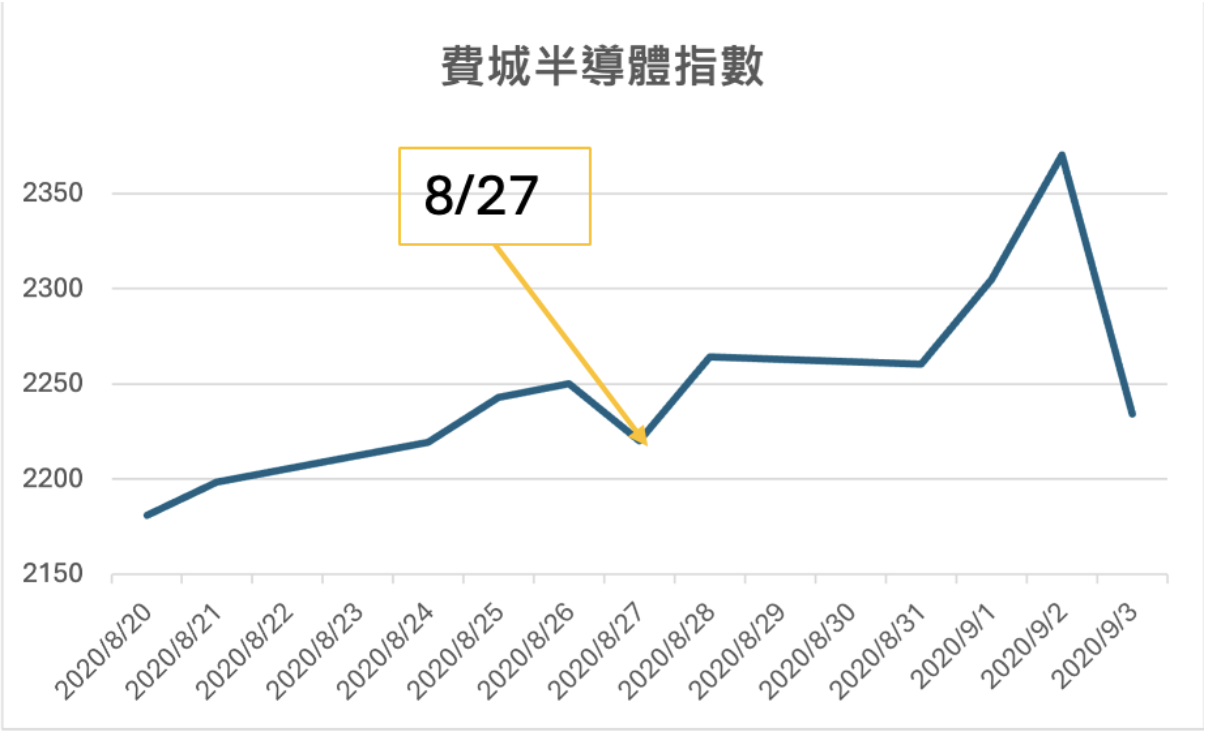
2020年,8/27~8/28
在會議前緩步上漲,在會議的第一天出現下跌,但後續再有一波上漲波段。
回測數據小結
觀察 2020~2023 年的費城半導體走勢,除了 2022 年是因為當年 FED 啟動暴力升息循環,當時的時空背景是投資機構認為說,Powell 會在 Jackson Hole 會議釋放暫緩升息的鴿派消息,結果 Powell 仍持鷹派看法,強調會持續升息,因此費城半導體一路續跌。
若排除 2022 年,在 2020、2021、2023 年這三年中,雖然走勢不完全相同,但可以看出一個規律,在會議前若是上漲波段的趨勢,當時間越靠近 Jackson Hole ,上漲幅度會放緩或出現下跌修正,因為市場擔心會有不確定的利空消息出現,但在 Jackson Hole 的第一天會議結束後,市場消化不確定的消息,現有的消息已被確定,費城半導體將重回正常交易格局,甚至再有一波上漲波段。
Warsh 的 Jackson Hole 演講內容整理(中英文逐字稿)
2026 Jackson Hole 重點摘要
當前經濟情勢與短期展望
經濟概況:華許認為美國經濟表現「比預期更強」,主街與華爾街在承受衝擊下都展現高度韌性。企業資本支出快速攀升,過去四季設備與無形資產投資年增約 9%,是 2021 年以來最高增速,逾半數增長可歸因於 AI 基礎建設的擴張。標普成分股企業獲利年增逾 20%,利潤率高於歷史水準,股市波動率偏低。
信用與消費:企業債與槓桿貸款利差接近歷史低點,發行量強勁;7 月 SLOOS 調查顯示銀行放款標準偏寬鬆。整體金融情勢難稱緊縮,僅住房與農業出現壓力。實質消費支出過去四季增長逾 2%,加上投資動能,私人國內最終購買(PDFP)今年增速近 3%,趨勢正向。
勞動市場:失業率 4.1%,數年來變化不大,續請失業金 4 週均值接近數十年低點。他認為就業增長偏低主要反映勞動力供給成長緩慢,而非需求疲弱,整體仍大致符合充分就業,但留意應屆畢業生等特定族群的隱憂。
通膨:核心 PCE 年增 3.7%,六個月年化略高於 4%,CPI 相關指標同樣偏高。華許自建的觀察指標顯示:過去 12 個月 PCE 籃子中 54% 品項漲幅超過 3%(低於疫情高峰的 77%,但仍遠高於疫情前的 32%);近 6 個月則為 49%,結論相近。他強調「今夏數據優於預期,不代表潛在趨勢已明顯改善」。
貨幣政策意涵:華許的標準是「必須確信潛在通膨正清楚且以足夠速度朝目標邁進,否則我們還有工作要做」。他沒有排除升息,也沒有給出時間表,僅重申「聯準會目前的首要焦點應放在物價上」。
溝通哲學與決策原則的轉變
與去年發布「修訂版共識聲明」不同,華許今年沒有修改貨幣政策框架文件,而是針對「聯準會如何與市場溝通」提出全面翻新,核心是大幅限縮前瞻指引的角色。
華許長期不滿前瞻指引做法,認為這項源自 2008 年金融危機的權宜措施「已經逾期不還」。他主張正常時期前瞻指引的角色應被限縮,過度分享決策過程、過度承諾未來行動,反而會誤導市場、企業與家庭,也會束縛決策者在真正該做決定時的自由度。
「哈哈鏡問題」(Hall of Mirrors):他引用經濟文獻指出,若市場過度依賴聯準會指引,而聯準會又回頭參考市場價格做決策,雙方會更容易對新變化視而不見、更容易犯錯。他特別強調,這種循環造成的傷害最終不會落在金融資產持有者身上,而是由沒有金融資產、卻要承受高通膨或工作不穩定的一般美國人買單。
拒絕明確反應函數:他直言不會提供類似泰勒法則的機械式利率路徑,「我們的知識還沒有延伸到那個地步」;並提及 2021 年的前瞻指引可能延誤了聯準會對高通膨的政策反應。
Warsh 認為聯準會該做的:是讓資產價格、公債殖利率與交易量、美元匯率、信用成本與可得性、大宗商品價格等「未經過濾」的市場訊號,自然反映在聯準會對景氣與通膨的判斷中;市場參與者則應自行追蹤實體經濟數據、形成自己的預期,而非單純等待聯準會的下一步指引。
貨幣政策七大原則
- 檢驗現實:不用過時或不準確的數據做決策,看重趨勢而非單一數據點
- 供給面只能推論:聯準會只能直接觀察需求面活動,供給面永遠只能推估,評估供需平衡本質上不精確
- 2% PCE 是堅定不移的目標:物價穩定不會自動達成,通膨也不必然會均值回歸,「這是聯準會的工作,沒有藉口」
- 雙重使命不互斥:中期同時達成物價穩定與最大就業並非二選一,高通膨本身就會傷害經濟繁榮
- 短期利率是主要工具:非傳統貨幣政策應保留給真正的危機,否則應謹慎使用
- 貨幣總量仍重要:即使金融創新(本屆會議主題)改變了貨幣基數、流通速度與經濟之間的傳導機制,也不代表可以忽視貨幣對金融情勢與物價的最終影響
- 更安靜、更有目的性的溝通:可信度的真正檢驗標準是「能否兌現使命」,他引用查克・葉格將軍的話作結:「在真相揭曉的那一刻,只有理由,或是結果」
AI 與生產力工作小組:
- 兩大主要 AI 實驗室的年化代幣(token)銷售額合計逾 1000 億美元,較 12 個月前成長 500%
- 聯準會視 AI 為潛在的新生產要素,成立「生產力與就業工作小組」進行第一性原理研究
- 待解的關鍵問題:AI 是否會帶動全經濟體生產力持續且顯著提升、何時發生;代幣使用是勞動力的替代還是互補;下一代 AI 模型會需要更多資本投入還是找到資本節省的解方;AI 實驗室、晶片商、能源業者、雲端服務商與一般企業消費者之間,價值最終如何分配;對勞工與就業面的意涵為何
- 明確澄清:工作小組的建議不影響當前政策決策,純粹是為未來政策挑戰預作準備
經濟評估補充:7 月 FOMC 會議紀要顯示委員一致認為「勞動市場穩定、產出穩健,但通膨仍過高」,多數委員傾向在做出利率決策前,先觀察供應鏈、投資與地緣政治的後續發展,並共同表態「將視情況需要採取行動」。
華許 Warsh 演說完整逐字稿(英中對照)
股感也將此次演講內容整理成中英文對照,讀者可以搭配上方的演講影片內容閱讀!
開場致詞
Good morning, Kristen. Thank you for that super kind introduction. It was 25 years ago that we were colleagues. It’s an honor to share the stage with you. It’s great to be back here in the valley again. I see so many familiar faces from academia, from my last tour of service, and from my first hundred days, which is just this weekend. I’ve been looking forward to this weekend.
早安,克莉絲汀。感謝你如此親切的介紹。我們早在 25 年前就是同事了,能與你同台是我的榮幸。很高興能再次回到這個山谷,看到這麼多熟悉的面孔,有的來自學術界,有的來自我上一次在聯準會任職的時期,還有的則是在我上任的頭一百天內結識,而這頭一百天,恰好就在這個週末屆滿。我一直很期待這個週末的到來。
And before I go further, I want to thank Jeff Schmid and his team for the incredible hospitality. Everybody here is in debt to you and to your colleagues here at the Federal Reserve Bank of Kansas City. Jeff, our thanks to you and your team. Now, he and the other planners here have some recreation options lined up for later today. I’d advise you to be very careful with your choices.
在繼續之前,我要感謝傑夫・施密德(Jeff Schmid)和他的團隊,感謝他們令人難忘的款待。在座每一位都欠你們堪薩斯市聯邦儲備銀行同仁一份人情。傑夫,謝謝你和你的團隊。他和其他籌辦人今天稍後安排了一些戶外活動,我建議大家在做選擇時務必謹慎。
As I learned years ago, you can take two different kinds of hikes on the trails around Jackson. I can sum up my hikes with former vice chairman Don Kohn with two words: I survived. These steely marathon death marches revealed the sign of dawn that I was not ready for. But there’s another kind of hike. This one was with former chairman Ben Bernanke, another dear old colleague. With Ben, it was a much more leisurely pace, an easy stroll along the wandering trails of the Rockefeller Preserve. So before setting out today, my recommendation is do a wellness check. Ask yourself, is this a Kohn day or a Bernanke day?
多年前我學到,傑克森附近的步道其實有兩種走法。跟前副主席唐・柯恩(Don Kohn)一起健行的經驗,我可以用兩個字總結:我活下來了。那些鋼鐵般的馬拉松式死亡行軍,讓我見識到我完全沒準備好迎接的黎明景象。但還有另一種健行方式,是跟另一位老同事、前主席柏南奇一起走的。跟班(Ben)走路步調悠閒得多,就像沿著洛克斐勒保護區蜿蜒步道的輕鬆散步。所以,在今天出發前,我建議大家先做個身心檢查,問問自己:今天是「柯恩日」,還是「柏南奇日」?
The best thing about this gathering is that it helps us all get out here to the mountains and clear our minds and think straight about our world and our time. For me, it feels like the right place and the right audience for a real engagement with the ideas that matter most.
這場聚會最棒的地方,就是能讓我們大家走出辦公室、來到山林間,清空思緒,好好把這個世界和這個時代想清楚。對我來說,這裡正是與最重要的想法認真交流的最佳場所,而在座各位也正是最合適的對話對象。
Innovation, as Kristen mentioned, is the conference theme. And I believe the public and the markets understand that innovations in the conduct of Fed policy will help deliver price stability alongside full employment. So, here’s a quick overview of what I’ll cover in my remarks this morning. You can call it an outline. You can call it a trail map, but please just don’t call it forward guidance.
正如克莉絲汀提到的,「創新」是本屆會議的主題。而我相信,社會大眾與市場都能理解,聯準會在政策執行方式上的創新,將有助於在達成物價穩定的同時,兼顧充分就業。以下先簡單說明今天早上演說的架構,你可以稱它是大綱,也可以稱它是步道地圖,但請千萬不要叫它「前瞻指引」。
First, I’ll touch on a few of the longer term questions we’re asking at the Fed about the latest general purpose technology, AI, and where it might take the economy. Then, I’ll reflect a bit on the practice of forward guidance and the interaction between the central bank and financial markets. Next, I’ll present some of the key principles that I believe should guide the conduct of monetary policy. And finally, I’ll give you my assessment of what’s happening in the economy.
首先,我會談談聯準會目前針對最新通用技術「人工智慧」(AI)所提出的幾個長期問題,以及它可能將經濟帶往何方。接著,我會反思前瞻指引這項作法,以及央行與金融市場之間的互動關係。再來,我會提出幾項我認為應該指導貨幣政策執行的關鍵原則。最後,我會給大家我對當前經濟情勢的評估。
第一部分:人工智慧與通用技術的長期提問
So, first I think we should try to prepare a bit for future policy conjunctures. With the unchanging picture of the Tetons as our backdrop, we are here to survey an economic landscape that is anything but static.
那麼,首先我認為我們應該試著為未來的政策局勢預做準備。眼前的提頓山脈景色始終如一,但我們要檢視的經濟樣貌,卻絕非靜止不變。
It wasn’t so long ago, including in rooms like this, in the run-up to the crisis of 2008 and over the decade that followed, when economists and policymakers were speaking of secular stagnation, speaking of a global savings glut. It was a widely held view that an excess of capital would sit on the sidelines for a very long, long time because there just wouldn’t be enough compelling investment opportunities. All the good stuff, you’ll recall, had been invented, so growth would be low and slow.
不久之前,包括在像這樣的場合裡,在 2008 年金融危機爆發前夕以及其後十年間,經濟學家與決策者都在談論「長期停滯」,談論「全球儲蓄過剩」。當時普遍的看法是,過剩的資本會長期閒置在場邊,因為根本沒有足夠吸引人的投資機會。大家還記得吧,好東西似乎都已經被發明完了,所以增長注定會又低又慢。
Well, times sure have changed. We’ve come to a hinge point in history, to borrow a phrase, a framing, from my former mentor George Schultz. To cite the clearest example, progress in AI, the 80-year-old name for the newest technology, has been faster even than its evangelist predicted just a couple of years ago.
然而,時代確實已經變了。借用我的前輩導師喬治・舒茲(George Schultz)的說法,我們正來到歷史的一個轉折點。最明顯的例子就是 AI,這個掛著 80 年歷史老名字的最新科技,其進展速度甚至比幾年前它的擁護者所預測的還要快。
The potential for substantially higher growth is on the rise. Ever-expanding pools of capital pouring into AI-related infrastructure of all sorts. A kind of super Moore’s law seems to be playing out. Scaling laws too are changing both the method and speed of innovation.
大幅提升成長的潛力正在上升,不斷擴大的資金池正湧入各式各樣的 AI 相關基礎建設。一種類似「超級摩爾定律」的現象似乎正在上演,擴展法則(scaling laws)也正在改變創新的方法與速度。
Capital and labor have combined to create large language models at the heart of AI. Users buy tokens to gain access to these models. Reports put annualized token sales for the two leading labs alone at more than a hundred billion dollars, an increase of 500% from just 12 months ago.
資本與勞動力結合,創造出作為 AI 核心的大型語言模型,使用者購買代幣(token)以取得使用這些模型的權限。據報導,光是兩大領先實驗室的代幣年化銷售額就超過 1000 億美元,較短短 12 個月前成長了 500%。
We at the Fed, we watch all this attentively. We recognize that AI is a new variable, potentially a new factor of production that will have consequences both for the economy and for the conduct of monetary policy. It opens up some major lines of inquiry.
我們聯準會正密切關注這一切的發展。我們認知到,AI 是一個新的變數,很可能是一個新的生產要素,這將對經濟以及貨幣政策的執行都帶來影響,也因此開啟了幾條重要的探究方向。
Will the application of AI cause a significant, sustained rise in productivity across the economy? If so, when? Will token usage be complementary or competitive to labor? Will the next generation of AI models demand even greater capital intensity too? Or will the models themselves help devise a capital-light solution?
AI 的應用是否會促使整體經濟出現顯著且持續的生產力提升?如果會,何時發生?代幣的使用對勞動力來說,會是互補還是競爭關係?下一代 AI 模型會需要更高的資本密集度嗎?還是這些模型本身,反而有助於找出資本節省的解決方案?
Among the other yet unknowns is the resulting market structure. Who gets to make the money? It’s not obvious where the returns on capital will land, or on what time scale. Early on, how much of the surplus goes to owners of scarce assets, the AI labs, or chip makers, or energy producers, or cloud providers? Over time, how much of that value accrues to businesses and consumers? And importantly, what are the implications for workers and for the employment side of the Fed’s mandate?
另一項未知數,是最終形成的市場結構:誰能從中賺到錢?資本報酬會落在哪裡、又會在什麼樣的時間尺度上實現,目前都還不明朗。初期階段,這些剩餘價值有多少會流向稀缺資產的擁有者,例如 AI 實驗室、晶片製造商、能源生產者或雲端服務供應商?隨著時間推移,又有多少價值最終會回饋給企業與消費者?更重要的是,這對勞工、對聯準會使命中的就業面向,會有什麼樣的意涵?
Likewise, we don’t yet know the equilibrium price of the tokens that give access to these models. Might there be a heterogeneity of tokens such that growing sums will be paid for the access to the best models, those at the frontier? Will token prices for older models fall to the level of their marginal cost?
同樣地,我們也還不知道存取這些模型的代幣,其均衡價格會落在哪裡。代幣是否會出現異質化,也就是越來越多資金投入取得最頂尖、最前沿模型的使用權?而較舊模型的代幣價格,是否會跌落到其邊際成本的水平?
Well, we’ll be thinking through these matters with the help of a task force on productivity and jobs. My early check-ins with the leaders of that task force and the rest have been very encouraging. To be clear though, their recommendations will come later and have no bearing on decisions we make in the current policy conjuncture. But I believe that for future policy challenges, this intellectual investment today will leave us much better prepared for tomorrow.
這些問題,我們會借助一個「生產力與就業工作小組」來共同思考。我早期與該小組負責人及其成員的幾次會面,結果都相當令人鼓舞。但我要說清楚,他們的建議會在稍後才提出,且不會影響我們在當前政策局勢下所做的決策。但我相信,這些今天投入的智識工作,將讓我們在面對未來的政策挑戰時,準備得更加充分。
第二部分:前瞻指引與央行—市場關係
Next, let me say a word about forward guidance and its substitutes. As our task forces go about their work, as you might know, I’m not waiting to introduce innovations at the Fed to help make us fit for purpose. To highlight one example, I’ve set out to change the form and function of the Fed chairman’s so-called forward guidance. You might know about my longtime discomfort with early pronouncements of future policy decisions. I much prefer another path, and now I’ll make the case for it.
接下來,我想談談前瞻指引及其替代方案。如同各工作小組正在進行的研究,各位或許知道,我並沒有等到那些研究完成,才開始在聯準會推動能讓我們更符合宗旨的創新。舉一個例子,我已著手改變聯準會主席所謂「前瞻指引」的形式與功能。各位或許也知道,我長久以來對於提早宣示未來政策決定這件事感到不安,我更偏好另一條路,現在我就來說明理由。
Transparency in communications about future policy decisions is not an end unto itself. Communications must be in service to the Fed’s paramount responsibility. And what is that? That’s getting policy right.
對外溝通未來政策決定時保持透明,本身並非目的,溝通必須服務於聯準會最重要的責任,而那個責任是什麼?就是把政策做對。
Forward guidance as a regular practice was adopted by my colleagues and me during the global financial crisis. It was essential at the time and we introduced it with much fanfare. But as with other legacies of crisis past, I believe the practice has outstayed its welcome. In normal times, the role of forward guidance should be limited and circumscribed. Otherwise, it risks creating ambiguity in the name of clarity.
將前瞻指引常態化的做法,是我和同僚們在全球金融危機期間所採用的。當時這麼做確有必要,我們也大張旗鼓地推出了這項作法。但如同其他危機時期遺留下來的做法一樣,我認為這項實踐已經逾期不還。在正常時期,前瞻指引所扮演的角色應該被限縮、被明確劃定範圍,否則它就有可能打著「清晰」的名號,卻反而製造出模糊。
Oversharing policy deliberations and overcommitting to future decisions can lead markets, businesses, and households astray. And I believe when policymakers make quasi-commitments on interest rates throughout the cycle, we inhibit our own freedom to make the right calls when it’s time to decide.
過度分享政策討論的過程、對未來決策做出過度承諾,都可能誤導市場、企業與家庭。而我認為,當決策者在整個景氣循環中對利率做出近似承諾時,我們其實也束縛了自己,讓我們在真正該做決定時,失去了做出正確判斷的自由。
To get policy right, we also need to get the relationship right between the central bank and financial markets. The Fed needs clear market signals, as unfiltered as possible, from market internals, from the level and change in asset prices across sectors, the prices and trading volumes of Treasury securities, the foreign exchange value of the dollar, the cost and availability of credit, a broad set of commodity prices. These and other indicators should inform the Fed’s near-term outlook on economic activity and inflation throughout the business cycle. They should also reveal the state of broader financial conditions and the risks and uncertainties of the financial cycle.
要把政策做對,我們也必須把央行與金融市場之間的關係處理好。聯準會需要的是盡可能不受干擾、清晰的市場訊號,這些訊號來自市場內部結構,來自各產業資產價格的水準與變化,來自公債的價格與交易量,來自美元的外匯匯價,來自信用的成本與可得性,也來自一整組大宗商品價格。這些以及其他指標,都應該為聯準會在整個景氣循環中,對經濟活動與通膨的近期展望提供依據,也應該揭示更廣泛的金融情勢,以及金融週期中所存在的風險與不確定性。
At the same time, market participants themselves should be tracking real information about the real economy. They should draw their own conclusions, form their own expectations on things like output and employment and inflation, and they too should stay sharply attuned to risks.
與此同時,市場參與者自己也應該持續追蹤關於實體經濟的真實資訊,就產出、就業、通膨等議題形成自己的結論與預期,也必須時時對風險保持高度警覺。
In my view, the Fed should be humble and never naive. The Fed plays an essential role in the economy and markets. Our tools are powerful. We determine the path of short-term interest rates and market participants will always try to anticipate what we will do next. But we should not indulge a regime in which market participants are looking primarily to the Fed for their next trade.
在我看來,聯準會應該保持謙遜,但絕不能天真。聯準會在經濟與市場中扮演著不可或缺的角色,我們的工具十分強大,我們決定著短期利率的走向,市場參與者也一定會試圖預測我們的下一步。但我們不應該放任一種局面,也就是市場參與者主要盯著聯準會,來尋找他們下一筆交易的方向。
The economic literature has long described the distorting effects, what it called the hall of mirrors problem. If markets rely materially on the Fed’s guidance and the Fed relies on market prices, we’re more likely to be blinded to new developments, more likely to be caught unprepared, and more likely to commit errors in policymaking.
經濟文獻早已描述過這種扭曲效應,稱之為「哈哈鏡問題」。如果市場實質上高度依賴聯準會的指引,而聯準會又反過來依賴市場價格,我們就更容易對新的變化視而不見、更容易措手不及,也更容易在政策制定上犯錯。
Now, perversely, market participants are unlikely to bear the biggest costs of the hall of mirrors problem. The most serious harm is likely to befall those without any financial assets. If the Fed gets inflation wrong and judges the economy wrong, who gets the worst of it? Not the financial high-flyers. Hardworking Americans are the ones left to deal with inflation that’s too high or jobs that suddenly appear less secure.
諷刺的是,市場參與者不太可能是「哈哈鏡問題」代價最高的承受者。最嚴重的傷害,很可能會落在那些沒有任何金融資產的人身上。如果聯準會誤判了通膨、誤判了經濟,誰會承受最壞的後果?絕不是那些金融市場上的高手,而是辛勤工作的一般美國人,他們才是要面對過高通膨、或工作突然變得不再穩固的那群人。
So if forward guidance is ill-suited to normal times, how about the new Fed chief commits at a meeting just like this to some explicit reaction function? Surely he could tell us his interest rate path, if say the data were to come in hot or cold.
所以,如果前瞻指引不適合正常時期,那新任聯準會主席何不在像這樣的場合,承諾提出一套明確的反應函數?他當然可以告訴我們,如果數據轉熱或轉冷,他的利率路徑會是什麼。
Well, I wish our understanding of the economy were so precise as to provide a mechanical, tried-and-true answer that some simple function like a Taylor rule could be rigorously relied upon. But our knowledge just does not extend that far, at least not yet. And other factors most relevant to the proper conduct of monetary policy, they change over time. Providing forecasts to illustrate the Fed’s reaction function works better in theory than in practice, better in the lab than in the field.
唉,我倒希望我們對經濟的理解,已經精確到能提供一個機械式、屢試不爽的答案,能嚴謹地仰賴類似泰勒法則這種簡單的函數。但我們的知識還沒有延伸到那個地步,至少現在還沒有。而那些與貨幣政策正確執行最相關的其他因素,也會隨時間改變。用預測來說明聯準會的反應函數,理論上聽起來很好,實務上卻行不通;在實驗室裡看似可行,在真實世界卻未必。
I am not alone in noticing that forward guidance in 2021, to cite just one example, might well have slowed the policy response to high inflation. In my term as chairman, my colleagues and I will endeavor to construct more reliable models, more robust rules, and will do this knowing that accuracy in forecasting is still just an aspiration.
就舉一個例子,2021 年的前瞻指引,很可能延誤了政策對高通膨的反應,而注意到這一點的人不只我一個。在我擔任主席的任期內,我和同僚們將致力於建構更可靠的模型、更穩健的法則,同時也清楚知道,預測的準確性目前終究還只是一個努力的目標,而非已經達成的現實。
With so much changing so fast in our geopolitics, global supply chains, technology, it’s wise to be modest about what we can and cannot know as we sit here today. In the same spirit, we should receive the full range of ideas on matters that may inform the Fed’s monetary policy discussions. If the aim is optimal decision-making, and it should be, we should not crowd out views on the economy.
地緣政治、全球供應鏈、科技,這一切變化得如此迅速,在座各位今天理應對於我們能知道什麼、不能知道什麼,抱持謙遜的態度。基於同樣的精神,我們應該廣納各種可能有助於聯準會貨幣政策討論的想法。如果目標是做出最優的決策,而它理應如此,我們就不該排擠任何對經濟情勢的觀點。
貨幣政策七大原則
How then to chart a better path to policy? In the balance of my remarks, I will share with you some key principles that guide my thinking on the appropriate conduct of monetary policy, and then I’ll offer my promised assessment of the economy. So, let’s turn first to principles.
那麼,該如何規劃出一條更好的政策路徑?在剩下的演說時間裡,我會與各位分享幾項指導我思考貨幣政策該如何妥善執行的關鍵原則,接著再依照先前的承諾,給各位我對經濟情勢的評估。首先,就從原則談起。
First, I’ve noticed in this line of work, yesterday’s news has a way of getting mistaken for what’s happening right now. The challenge is to know the difference. In other words, we must interrogate reality. Make sure we’re not setting forward-looking policy based on stale or inaccurate data. Nor should we rely on isolated data points. Trends matter most. The Fed’s a decision-making agency. We make choices amid uncertainty, and the data upon which we draw must be relevant, contemporaneous, accurate, and as actionable as possible.
第一,我在這份工作中注意到,昨天的新聞經常會被誤認成現在正在發生的事,挑戰就在於要能分辨兩者的差異。換句話說,我們必須不斷檢驗現實,確保我們不是根據過時或不準確的數據,來制定具有前瞻性的政策,也不該只仰賴孤立的單一數據點,趨勢才是最重要的。聯準會是一個做決策的機構,我們在不確定性中做出選擇,而我們所依賴的數據,必須具有相關性、即時性、準確性,並盡可能地具備可操作性。
Second principle, the Fed’s actions are intended to ensure that the aggregate demand side of the economy is broadly consistent with aggregate supply. However, all we observe directly is activity. We never see, and can only infer, what’s really happening on the supply side. Hence, evaluating the current and expected balance between aggregate supply and aggregate demand is imprecise.
第二項原則,聯準會的行動,目的是確保經濟中的總需求面,能大致與總供給面相符。然而,我們能直接觀察到的,只有經濟活動本身,我們永遠看不到、只能推論供給面究竟真正發生了什麼事。因此,評估當前及預期的總供給與總需求之間的平衡,本質上就是不精確的。
Third principle, there should be no misunderstanding. The Fed’s price stability objective of 2%, as measured by the PCE price index, is a firm, fixed target. Let me be equally clear about another aspect of this objective. Price stability is not self-executing, nor is inflation necessarily mean-reverting. It’s the Fed’s job to deliver stable prices. No excuses.
第三項原則,這一點不應該有任何誤解:聯準會以 PCE 物價指數衡量、設定為 2% 的物價穩定目標,是一個堅定且固定不變的目標。關於這項目標,我還要同樣清楚地說明另一個面向:物價穩定不會自動達成,通膨也不必然會出現均值回歸。讓物價維持穩定,是聯準會的職責所在,沒有藉口可言。
Fourth principle, the Fed also bears responsibility for maximum employment. Achieving both sides of our mandate over the medium term is not an either-or proposition. I do not believe the Fed’s dual mandate works at cross purposes. After all, high inflation itself is very harmful to economic prosperity.
第四項原則,聯準會同時也肩負著促進最大就業的責任。就中期而言,達成雙重使命的兩端,並非一個非此即彼的選擇題。我不認為聯準會的雙重使命彼此互相矛盾,畢竟,高通膨本身就會嚴重損害經濟繁榮。
Fifth principle, short-term interest rates are the predominant tool to achieve the dual mandate. Unconventional policies to spur economic activity may suit genuine crises, of which we all have much experience, but they should otherwise be used sparingly, if at all.
第五項原則,短期利率是達成雙重使命的主要工具。用來刺激經濟活動的非傳統政策,或許適合用於真正的危機時刻,這一點我們都有豐富的經驗,但除此之外,這類工具應該謹慎使用,甚至能不用就不用。
Sixth, money matters. I know it’s not fashionable these days, but my view is that money has something important to do with monetary policy. We should pay attention to money created by the central bank and money that comes from the banking and financial system. It’s true that financial innovations, the subject of this conference, and other factors alter the mechanics that link the monetary base, the velocity of money, and the broader economy. But that is scarcely a reason to ignore the ultimate effects of money on financial conditions and prices.
第六,貨幣總量仍然重要。我知道這種說法在現今並不流行,但我的看法是,貨幣與貨幣政策之間確實存在著重要的關聯。我們應該關注央行所創造的貨幣,以及來自銀行與金融體系的貨幣。的確,本屆會議主題所談的金融創新,以及其他因素,正在改變貨幣基數、貨幣流通速度與整體經濟之間連結的運作機制。但這幾乎稱不上是忽視貨幣對金融情勢與物價最終影響的理由。
Finally, a quieter Fed, a more purposeful Fed in its communications, is better able to meet its objectives, and we can be held accountable for delivering on our remit, the only true test of our credibility. To borrow a line from General Chuck Yeager, at the moment of truth, there are either reasons or results.
最後,一個更安靜、對外溝通更有目的性的聯準會,更能夠達成自身的目標,我們也能夠為履行自身職責而受到問責,而這正是檢驗我們可信度唯一真正的標準。借用查克・葉格(Chuck Yeager)將軍的一句話:在真相揭曉的那一刻,你要嘛拿得出理由,要嘛拿得出結果。
第三部分:當前經濟情勢評估
So having heard a little bit about AI and general purpose technologies, having heard a little bit about the next policy conjuncture, a little bit on principles, let’s turn to the economy today. Given those principles, how do I read the economy? What’s really going on outside the window?
聽完了關於 AI 與通用技術的一些看法、關於下一個政策局勢的一些思考,也聽完了幾項原則,接下來就讓我們把焦點轉向今天的經濟情勢。依據這些原則,我要如何解讀當前的經濟?窗外究竟正在發生什麼事?
It’s a little ironic, there are no windows in this room, but they’re big ones at the Federal Reserve, and we’ve been using those in my first hundred days, and I expect we’re going to continue to use those in the period right ahead of us.
說來有點諷刺,這個房間裡根本沒有窗戶,但聯準會的辦公室裡有大扇的窗戶,在我上任的頭一百天裡,我們一直善用著那些窗戶,而我預期在接下來的這段時期,我們也會持續這麼做。
Now, you may have read in the July minutes the unanimous view of the FOMC. Labor markets were stable, output solid, but inflation remained too high. A good majority of my colleagues and I thought the wiser course was to await new information in the intermediating period, especially given possible developments in supply chains, investment flows, and geopolitics, before deciding whether a change in interest rate policy was advisable. And we expressed our joint readiness to act as circumstances require.
各位或許已經在 7 月會議紀要中讀到 FOMC 一致的看法:勞動市場穩定、產出穩健,但通膨仍然過高。我和絕大多數同僚都認為,比較明智的做法,是在做出是否調整利率政策的決定之前,先在這段過渡期間,靜待新的資訊出爐,尤其是考量到供應鏈、投資流向與地緣政治可能出現的後續發展。我們也共同表達了:將視情況需要採取行動的準備。
For my part today, as we sit here, I’m impressed by the overall performance of the economy, which appears to have strengthened. One indicator of strength is how well an economy holds up under stress, how well it holds up under shocks. On that score, both Main Street and Wall Street have been remarkably resilient.
就我個人而言,此刻坐在這裡,我對整體經濟表現印象深刻,經濟看起來已經走強。經濟強韌與否的一項指標,在於它承受壓力、承受衝擊的能力如何。就這一點來說,無論是主街還是華爾街,都展現出高度的韌性。
Several other observations: business capex is rising rapidly. The four-quarter change in investment in equipment and intangibles has been around 9%, its highest growth rate since 2021, and more than half of the capex growth can likely be ascribed to the buildout related to AI.
另外還有幾項觀察:企業資本支出正快速上升,設備與無形資產投資的四季變動率約達 9%,創下 2021 年以來最高的增長速度,其中超過一半的資本支出增長,很可能可以歸因於與 AI 相關的基礎建設擴張。
What about profits? For the firms in the S&P, profits have grown more than 20% over the past year alone. Profit margins are quite elevated relative to history. Overall equity and market volatility quite low. We’re staying keenly focused on market internals, watching performance across sectors.
那企業獲利呢?標普成分股企業光是過去一年,獲利就成長超過 20%,利潤率相對於歷史水準也處於偏高的位置,整體股市與市場波動率則相當低。我們持續高度關注市場內部結構,密切留意各產業的表現。
Expectations for both growth in capex and corporate earnings are running quite high. I continue to watch the change in the growth rates, the second derivative, the follow-on effects on asset prices, business confidence, consumer incomes, and spending are equally important to gauge.
市場對資本支出與企業獲利成長的預期都相當高,我持續關注的是成長率的變化,也就是所謂的「二階導數」,而這對資產價格、企業信心、消費者所得與支出所產生的後續效應,同樣是需要密切評估的重點。
Credit spreads on corporate bonds and leveraged loans are near the low end of their historical averages, and issuance volumes this year quite strong. Looking beyond fixed income markets to the banking business, in the July so-called SLOOS survey, banks tell us that standards for C&I loans are on the easier end of their historical ranges. That helps explain the growth that we’ve seen this year in these loans.
企業債與槓桿貸款的利差接近歷史均值的低端,今年的發行量也相當強勁。把目光從固定收益市場延伸到銀行業務,在 7 月所謂的 SLOOS(資深放款主管意見調查)中,銀行告訴我們,商工貸款(C&I loans)的放款標準正落在歷史區間中偏寬鬆的一端,這也有助於解釋我們今年在這類貸款上看到的成長。
In my view, credit and loan markets are showing few signs of policy restraint. Now, certain sectors like housing and agriculture are showing strains, but on balance, I would be hard-pressed to describe broad financial conditions as restrictive.
在我看來,信用與放款市場幾乎看不出政策緊縮的跡象。當然,像住房與農業這類特定產業確實出現了壓力,但整體而言,我很難將廣泛的金融情勢形容為具有限制性。
Real consumer spending has been healthy despite these shocks, increasing more than 2% over the past four quarters. If you combine consumption with the brisk investment we talked about earlier, private domestic final purchases have also risen. These purchases have increased at a pace of nearly 3% or so far this year. That’s a measure that typically carries more signal than GDP. The trend here too, positive.
儘管遭遇了這些衝擊,實質消費支出依然健康,過去四季增長逾 2%。如果把消費和前面提到的強勁投資合併來看,私人國內最終購買(PDFP)同樣呈現上升,這項指標今年以來的增速約為 3% 左右,而這項指標通常比 GDP 更具訊號意義。這裡的趨勢,同樣是正向的。
So on the employment side of the Fed’s dual mandate, our country is doing well. Labor markets are quite stable. The jobless rate at 4.1% remains low by historical standards and hasn’t changed much in a couple of years. Unemployment claims on a 4-week moving average, an empirically robust real-time indicator, are near their lowest level in decades.
因此,就聯準會雙重使命中的就業面向而言,我們國家的表現不錯。勞動市場相當穩定,失業率為 4.1%,以歷史標準來看仍屬偏低,過去幾年也沒有太大變化。失業請領件數的 4 週移動平均,這是一項經驗上相當可靠的即時指標,目前接近數十年來的最低水準。
In my view, the relatively low turnover in today’s labor market is partly a result of the significant rematching between employers and employees that happened after the post-pandemic environment. But when labor supply is barely growing, monthly job gains are naturally going to run low.
在我看來,當前勞動市場相對偏低的流動率,部分原因是疫情後環境中,雇主與員工之間經歷了一輪大規模的重新配對。但當勞動力供給幾乎沒有增長時,每月的就業增幅自然也會偏低。
There are always areas of concern in the labor market. For example, among recent graduates. In general, though, people who want to work by and large are holding or finding jobs. They may well be concerned about future labor disruptions. But as of now, I believe the labor markets are broadly consistent with full employment.
勞動市場永遠都存在一些令人擔憂的角落,例如應屆畢業生的處境。但整體而言,想工作的人大多都能保住或找到工作,他們或許確實會擔心未來勞動市場可能出現的動盪,但就目前來看,我認為勞動市場大致上仍符合充分就業的狀態。
But on the price stability side of our mandate, the numbers are more concerning. The Fed’s preferred measure of inflation, the one I talked about earlier, the 12-month change in the PCE price index, stands at 3.7%. With a six-month change a little above four, the comparable measures from the CPI index are also elevated, as are core measures both of PCE and CPI inflation.
但在物價穩定這一側的使命上,數字就令人擔憂得多了。聯準會偏好的通膨衡量指標,也就是我前面提到的 PCE 物價指數 12 個月變動率,目前來到 3.7%,6 個月變動率則略高於 4%。CPI 指數的相對應數據同樣偏高,PCE 與 CPI 的核心通膨指標也是如此。
None of these measures are perfect, but they all tell a similar story. Inflation is running above our 2% target. So the Fed’s predominant focus right now should be on prices.
這些指標沒有一個是完美的,但它們說的都是同一個故事:通膨正運行在高於我們 2% 目標的水準之上。所以,聯準會目前的首要焦點,應該放在物價上。
So what’s our job? The job for policymakers is to capture underlying trend inflation. Easier said than done. We want to gauge whether underlying inflation is rising, falling, or seems to be stuck in place. We also want to understand not just the direction of travel but the speed.
那麼我們的工作是什麼?決策者的工作,就是掌握潛在的趨勢性通膨,說起來容易做起來難。我們想判斷的是,潛在通膨究竟是在上升、下降,還是停滯不動,我們想理解的不只是方向,還有速度。
Each of these broad inflation measures have fallen significantly from their highs of a few years ago, but progress of the last couple of years has been more modest. And while this summer’s PCE and CPI readings were better than expected, they do not tell me that underlying trends have meaningfully improved.
上述每一項廣義的通膨指標,都已經較幾年前的高點大幅回落,但過去這一兩年的進展卻更為溫和。雖然今年夏天的 PCE 與 CPI 數據都優於預期,但這並不能告訴我,潛在的趨勢已經出現了有意義的改善。
The data also show moderate wage growth. But in my view, in tracking underlying inflation, wage growth has not proven a reliable indicator of future inflation for a very long time.
數據也顯示薪資增長溫和,但在我看來,就追蹤潛在通膨而言,薪資增長長久以來並未證明自己是預測未來通膨的可靠指標。
So to try to gauge underlying inflation, I want to tell you about a couple things I’ve always looked to. I find it instructive to disaggregate the 199 individual components of the PCE price measure.
所以,為了試圖判斷潛在通膨,我想告訴各位我一直以來會參考的幾項作法。我發現,把 PCE 物價指數拆解成其中 199 個個別組成項目來看,相當具有參考價值。
Over the last 12 months, 54% of goods and services in this basket showed price increases above 3%. This is well below the post-pandemic highs of about 77%. But it remains well above the level of about 32% in a couple of the decades that preceded the pandemic.
過去 12 個月,這個籃子裡有 54% 的商品與服務,漲幅超過 3%。這個比例已遠低於疫情後高峰期約 77% 的水準,但仍然遠高於疫情前那幾十年間約 32% 的水準。
Looking over just the last six months, the conclusion is similar. 49% of goods and services in the PCE basket showed price increases above 3%. Again, this is well below the pandemic highs, but still elevated, quite elevated.
只看最近 6 個月,結論也相近:PCE 籃子中有 49% 的商品與服務,漲幅超過 3%。同樣地,這遠低於疫情高峰期,但依然偏高,相當偏高。
The recent rise in overall commodity prices also bears watching. What we need to judge is whether the trends we see indicate upside inflation risks.
近期整體大宗商品價格的上漲,也值得密切觀察。我們需要判斷的是,我們所看到的這些趨勢,是否指向通膨上行的風險。
Now, it matters too whether the inflation readings of the past five years have seeped into expectations. The good news is that measures of inflation expectations in the medium term by and large look stable, and inflation compensation measures from the swaps market send a strong and similar message, especially in light of recent developments.
同樣重要的是,過去五年的通膨數據,是否已經滲透進入了通膨預期之中。好消息是,中期通膨預期的衡量指標,大致看起來仍然穩定,而來自利率交換市場的通膨補償指標,也傳遞出強烈且相近的訊息,尤其考量到近期的發展更是如此。
It’s a credit to the Fed as an institution, consistent with the best of the Fed’s traditions, that market prices show confidence that we will deliver price stability. And I can assure you, they’re right.
市場價格展現出對聯準會將能達成物價穩定的信心,這是聯準會作為一個機構的功勞,也符合聯準會傳統中最優良的一面,而我可以向各位保證:市場是對的。
The thing about market measures of inflation expectations in economic history, I know some economic historians in the audience, is they all tend to look really strong and durable until they don’t. These expectations are not pushed around easily, and right now they are very well anchored, but they must be closely minded, and it’s the Fed’s job to make sure that inflation expectations do not get unanchored.
不過,從經濟史的角度來看市場衡量的通膨預期,在座應該也有幾位經濟史學家知道這件事:這些預期看起來總是相當強韌、相當穩固,直到某一天它們不再如此。這些預期不容易被輕易撼動,目前也錨定得相當穩固,但仍必須被密切關注,而確保通膨預期不會脫錨,正是聯準會的職責所在。
Now there is one signal nobody can miss. The responsibility for 65 months of sustained elevated inflation sits squarely with the central bank, and that’s where it belongs. So here is my standard. We must be confident that underlying inflation is moving to our objective clearly and at sufficient speed. Otherwise, we have work to do. That’s our job. That’s our mandate, and that’s our charge to keep.
這裡有一個訊號,是任何人都不該忽略的:連續 65 個月維持在高檔的通膨,其責任完全落在央行身上,而這本來就是央行應該承擔的責任。所以,我的標準是這樣的:我們必須確信,潛在通膨正清楚且以足夠的速度朝我們的目標邁進,否則,我們就還有工作要做。這是我們的職責,這是我們的使命,這也是我們必須堅守的責任。
結語
So I’ve covered quite a bit of ground in the last 25 minutes or so. Let me see if I can conclude this way. I stand here today committed to a discipline, not a decision.
在過去大約 25 分鐘裡,我談了相當多的內容,讓我試著這樣為今天的演說做個總結:今天站在這裡,我所堅守的是一種紀律,而不是一個決定。
My Fed colleagues and I are hardly the first to hold these positions in a time of great consequence. We are determined to redeem the time by doing our very best work.
我和聯準會的同僚們,絕非史上第一批在關鍵時刻擔負這些職位的人。我們決心要把握這段時間,盡我們最大的努力做好這份工作。
For those of us, those of you that know us, you’ll know the following is true. We take our responsibility seriously, with humility and with resolve. We know so much depends on the choices we make.
對於認識我們的人來說,各位都會知道以下這件事是真的:我們以謙遜和堅定的態度,認真看待自己的責任。我們深知,有太多事情取決於我們所做的選擇。
Sound monetary policy helps households and businesses to prosper. When carried out effectively, it broadens and deepens the momentum of our economy and helps to secure America’s leadership in the world.
健全的貨幣政策,有助於家庭與企業繁榮發展。當它被有效執行時,就能擴大並深化我們經濟的動能,也有助於鞏固美國在世界上的領導地位。
And I know that our country needs us to think carefully and act wisely, perhaps now more than ever. It’s a tremendous honor to serve once again at the Federal Reserve.
而我知道,我們的國家需要我們審慎思考、明智行動,或許現在比以往任何時候都更是如此。能夠再次為聯準會服務,對我而言是無比的榮幸。
I’m truly grateful for the encouragement, good counsel, and the warm reception I’ve received in my first 100 days from my colleagues. I’m also honored and grateful for the views that I’ve gotten, solicited and unsolicited, from so many of you in this room. For that and for your kind attention this morning, I say thank you. Let’s get on with the rest of the program.
在我上任的頭一百天裡,同僚們給予我的鼓勵、良言,以及熱情的接納,我由衷感激。我同樣也感謝並珍惜在座各位,無論是主動或應邀,給我的種種意見。為此,也為了各位今天早上的聆聽,我要說聲謝謝。接下來,就讓我們繼續今天的議程吧。
【以上逐字稿內容使用 AI 協助整理,內容如有誤請以 FED 官方資料為主】
【延伸閱讀】
